Top 4 Business Ideas in 2026 for Entrepreneurs

Introduction
The business world never stops evolving. Over the past few years, we’ve witnessed the rapid upgrade of e-commerce models, the widespread adoption of AI tools, and the continuous changes in consumer behavior. By 2026, business will be more than just making money or investing in traffic, it will emphasize innovation, value, connection, and long-term sustainability. The market is constantly evolving, and consumers expect more than just products—they expect an experience and resonance.
If businesses continue to use outdated models, they are likely to be left far behind in the fierce competition. Truly competitive brands are not those that follow trends the fastest, but those that are the first to recognize trends and plan ahead. Business success often stems from sensitivity to trends, understanding of the market, and swift yet steady action. Next, we will delve into what constitutes a business idea and explore five key areas to watch in 2026 to help you seize future business opportunities.
What is a Business Idea?

A business idea is a creative concept that solves real-world problems, creates value, and possesses market potential. It’s not just a novel idea, but a complete solution that combines market demand, feasibility, and profitability.
Every successful business idea stems from insight into real-world problems and an understanding of consumer psychology. With technological advancements, changes in the social environment, and the evolution of user behavior, business ideas are becoming increasingly diverse. They can be an innovative product, an upgraded service model, a digital platform, or even a completely new business ecosystem. Understanding business ideas means understanding market opportunities and the potential for future business transformation.
What are the business ideas for 2026?
In 2026, market trends and technological advancements will jointly drive new business models. The following five areas are highly likely to become hotspots for future entrepreneurship and innovation:
1. The Digital Creator Economy

The digital creator economy is one of the fastest growing business opportunities for 2026, it allows individuals to monetize content they create online through platforms. No matter it’s videos, blogs, podcasts, or tutorials.
Income comes from ads, sponsorships, affiliate marketing, digital products, or fan memberships. Startup costs are low, needing only a smartphone or laptop, and in Malaysia, content about lifestyle, food, travel or practical “how to” guides resonates well with audiences.
How to start: To start as a digital creator in Malaysia, choose a topic like lifestyle, food, travel, or practical, focus on platforms like YouTube, TikTok or Instagram. Create consistent, relatable content, engage with your audience, and monetize through ads or fan memberships on platforms like Patreon.
2. E-Commerce and Social Commerce Seller

An E-commerce and social commerce business is a practical idea for Malaysia in 2026. You can sell through platforms like Shopee, Lazada, or TikTok Shop, focusing on trending categories such as wellness and personal care, smart home gadgets, and modest or sustainable fashion.
These products match Malaysians’ demand for value focused items that improve daily life. The business can be started from home with low upfront cost, especially using dropshipping or pre orders. Creating short TikTok or Instagram videos to show real life product use can help build trust and increase sales.
How to start: To start an e-commerce business in Malaysia, first choose a niche such as wellness products, smart home gadgets, or modest fashion. Check demand on platforms like Shopee, Lazada, or TikTok Shop to see what sells. Decide whether to use dropshipping, pre-orders, or keep a small stock. Set up your products with short TikTok or Instagram videos and provide fast, helpful customer service to build trust and good ratings.
3. Home Based Healthy Meal Services

With increasing health awareness and a faster pace of life, more and more people are looking for convenient and nutritious food. Small-scale healthy meal preparation services targeting office workers, students, or seniors are therefore very practical.You don’t need to open a large restaurant. You can start from home, focusing on providing low calorie meals, meals suitable for diabetics, or high-protein fitness meals.
How to start: First, identify your target audience, such as office workers or fitness enthusiasts, and then develop a simple weekly menu focusing on a specific area, such as low-calorie meals or high-protein meals. Conduct taste tests on a small scale first, carefully calculate costs, and ensure compliance with local food safety regulations. Promote through social media and WhatsApp, starting with small orders and gradually scaling up based on customer reviews and word-of-mouth.
4. Resale and Upcycling Fashion
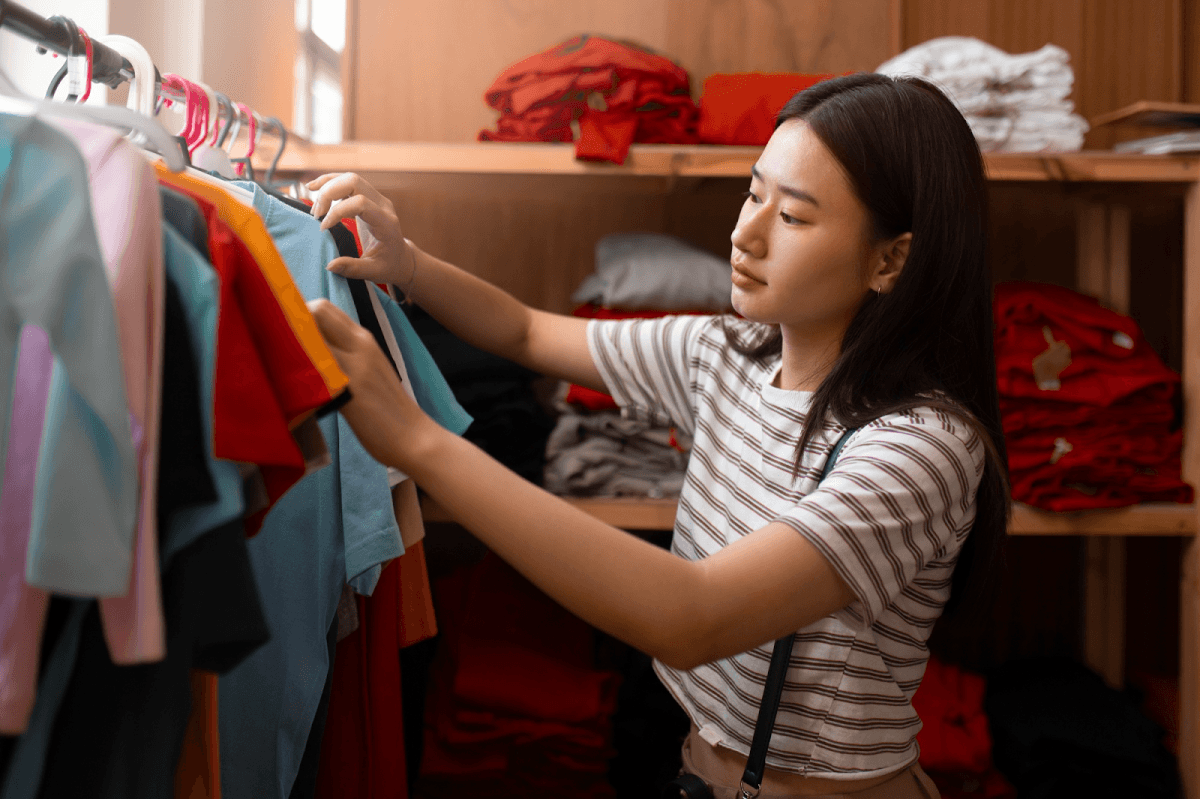
Thrift shopping is becoming increasingly popular, especially among Gen Z and young adults in urban areas. This concept appeals to budget conscious shoppers as well as environmentally aware consumers who want more sustainable options.
How to start: This business works well because you do not need a physical store. You can sell through platforms such as Instagram or Facebook Marketplace. Startup costs are relatively low since you can source items from thrift stores, flea markets or even friends and family. The key is to select good quality pieces, clean or repair them if needed, and present them with clear photos and honest descriptions.
Why These Businesses Thrive in 2026?

1. Low Barriers to Entry and Flexibility
In a 2026 economy, people value businesses that can be started with just a smartphone or a home kitchen. For example, you no longer need a massive studio or physical storefront to be a digital creator or e-commerce. Using platforms like TikTok Shop or Shopee Malaysia, anyone can turn a hobby into a global storefront overnight.
2. The Shift to “Human-Centric” Trust
Consumers are moving away from faceless corporations and toward real people.
A home-cooked meal feels safer and more authentic than a mass-produced frozen dinner. The 2026 food trend is all about “clean labels” and knowing exactly who prepared your food. Similar to the digital economy, people follow influencers because they feel like friends. This “parasocial” bond makes sponsorships and affiliate links much more effective than traditional TV ads.
3. Sustainability and Value- Consciousness
The “Green Tech” and Upcycling trends are driven by two main factors, which are Gen Z’s environmental values and a budget-friendly mindset.
For thrifting and upcycling, buying secondhand isn’t just eco-friendly, it’s a way to find unique, high-quality items for a fraction of the retail price. While for E-commerce, items like “modest fashion” or “sustainable gadgets” succeed because they cater to the specific cultural and ethical values of the Malaysian market.
Conclusion
The core of business ideas in 2026 lies in the combination of innovation and value. While technology and platforms are important, what truly wins the market is the understanding of consumer needs and the ability to consistently deliver value.
Companies that can find a balance between technological capabilities, innovative thinking, sustainability, and genuine communication can build a long-term advantage in a complex market environment. Trends are not predictions of the future, but rather guides to help us plan ahead. Continuous observation, flexible adjustments, and a willingness to experiment are key to sustained business growth.
The future belongs to those companies that not only understand technology and trends, but also understand people’s hearts and minds.