What Businesses Want From Web Design (2026 Findings)
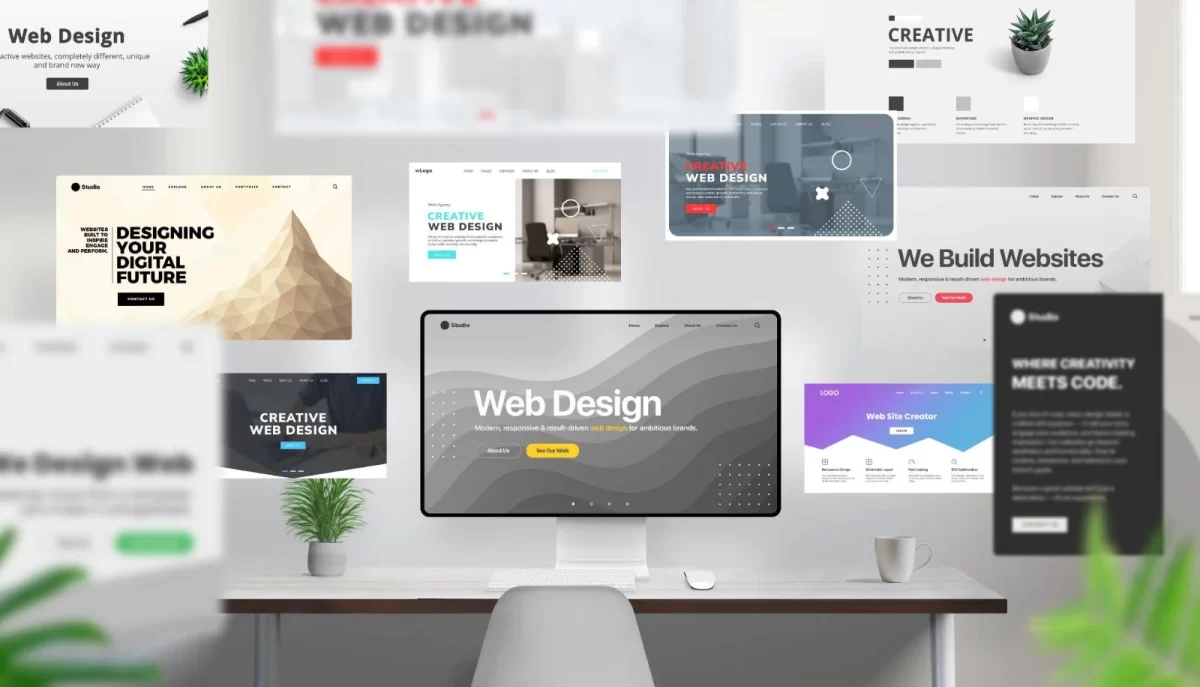
A website needs to do more than exist. It should reflect your brand, help customers find what they need, and support your business goals. As businesses compete for attention online, these details matter more than ever.
So, what do businesses really prioritise when investing in web design in 2026? To find out, we analysed our 100 most recent projects at BrandSwift, looking at why clients approached us, what they wanted to improve, and which approaches worked best to achieve their priorities. The findings reveal what drives businesses to invest in their websites and what that means for anyone looking to strengthen their online presence.
About This Research
This research is based on BrandSwift’s 100 most recent web design projects. We looked at why clients came to us and what they hoped their websites would achieve.
Of course, these findings come from businesses that chose to work with us, so they may not reflect every business in Malaysia. Think of them as a window into what we see across our own projects, and a useful signal of where things may be heading.
Key Findings From Our 100 Most Recent Web Design Projects
Our analysis found four main reasons businesses approached us for web design services. Improving branding and user experience was the most common priority, followed by better search visibility and the need for e-commerce functionality.
| Main reason for requesting web design services | Percentage of projects |
|---|---|
| Improving branding and user experience (UI/UX) | 50% |
| Improving Google visibility and AI search presence | 25% |
| Building an e-commerce website | 10% |
| Addressing website security issues | 5% |
| Other reasons | 10% |
What Our Research Reveals About Modern Business Websites
Four distinct themes emerged from our 100 most recent projects: better branding and user experience, stronger search visibility, e-commerce websites, and security issues. Together, they accounted for 90% of the projects.
The remaining 10% covered a range of other reasons, but none formed a clear enough category to discuss on its own. So we’ve focused on the four that could be clearly defined.
1. Better Branding and User Experience Remain the Top Priorities
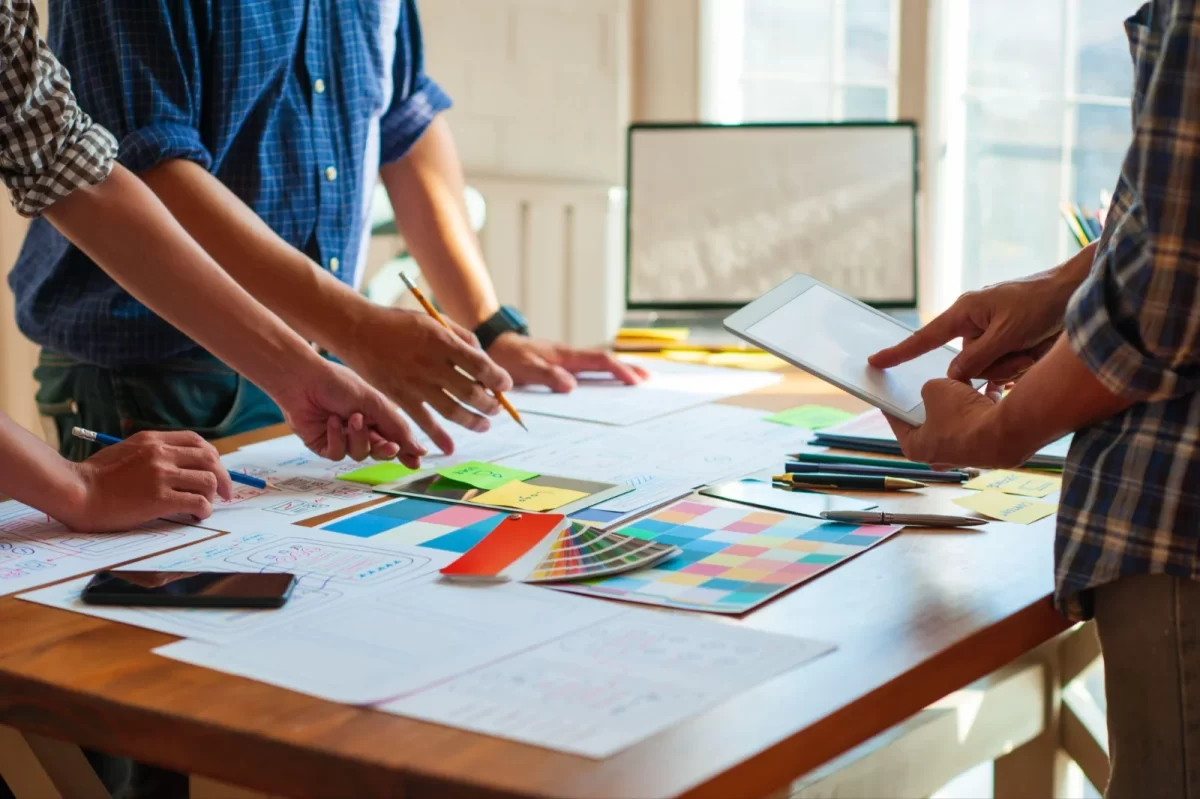
Half of the projects analysed (50%) involved businesses looking to improve their website’s branding and user experience. Some wanted a design that better reflected their brand, while others needed to explain their business more clearly or make their websites easier to navigate.
A good website needs to do more than look appealing. For businesses planning a redesign, the goal is to communicate the right message and make it easy for visitors to take action.
What Does a Well-Designed Website Need?
- Clear navigation: A logical menu and page structure that helps visitors find what they need without effort.
- Readable content: Straightforward copy and comfortable text layouts that explain what the business offers.
- Consistent visuals: Colours, fonts, and imagery that reflect the brand and look the same on every page.
- Intuitive page layouts: Pages arranged so the most important information and next steps are easy to spot.
Main takeaway: Businesses invest in web design to better reflect their brand, communicate their offerings clearly, and create a smoother experience that encourages visitors to take action.
2. Search Visibility Is Becoming a Bigger Website Priority
A quarter of the projects analysed (25%) involved businesses looking to improve their visibility on Google and AI-powered search platforms ( SEO/AEO/GEO ). It’s a sign that being online is no longer enough. Businesses want to be found.
Why Having a Website Matters for Search Visibility
Social media and third-party platforms can help businesses reach customers, but they offer limited control over how information is presented.
Without a website, businesses may have fewer opportunities to appear in relevant search results, especially when potential customers search for specific products or services. A website provides a dedicated space to share detailed information about the business, helping potential customers learn more beyond a social media post or third-party listing.
Make Search Visibility Part of Website Planning
That’s why SEO, answer engine optimisation (AEO) and generative engine optimisation (GEO) should be considered alongside website design and development, not as an afterthought. A website planned with search in mind from the start can help visitors understand a business while making it easier for search engines and AI systems to identify its offerings.
What Does a Search-Friendly Website Need?
- Clear content structure: Headings, short sections, and logical page hierarchy that help both visitors and search systems understand each page.
- Detailed, helpful content: Pages that explain products and services and answer the questions customers often ask, which supports AEO and GEO.
- Technical SEO foundations: Fast loading speeds, mobile-friendly design, and pages that search engines can easily crawl.
- Optimised page elements: Descriptive title tags, meta descriptions, and image alt text that show what each page is about.
- Structured data: Code that labels key information, such as business details, products, and reviews, so search engines and AI systems can interpret it more easily.
Main takeaway: Businesses are investing in web design services to build websites that not only represent their brands but also improve their chances of being discovered through Google and AI-powered search.
3. E-commerce Websites Support Businesses Looking to Sell Online

Around 10% of the projects analysed involved businesses looking to build an e-commerce website to expand their online sales opportunities and make shopping more convenient for customers.
Making Online Shopping Easier for Customers
Unlike a standard business website that mainly introduces a company and its services, an e-commerce website needs to make online shopping simple and reliable. This may include clear product catalogues, detailed descriptions, shopping carts, secure payment gateways, and delivery information. When these functions work well together, customers can shop with greater confidence and complete their purchases more easily.
Supporting Sales as the Business Grows
Selling online also involves more than adding a shop to a website. Businesses need to consider inventory management, payment options, order fulfilment, and ongoing website maintenance to ensure their websites can support their sales operations as they grow.
Main takeaway: Businesses invest in e-commerce website design to expand their online sales opportunities and provide customers with a convenient, reliable shopping experience.
4. Website Security Is Another Reason Businesses Seek Website Design
Security-related issues accounted for 5% of the projects analysed. These businesses came to us because they were dealing with security concerns or technical problems they found difficult to resolve on their own or the existing provider.
Security and web design are closely linked because how a website is built and maintained affects its security. Issues can put data at risk, disrupt operations, and affect customer confidence, while resolving them may require technical expertise businesses lack in-house.
What Does a Secure Website Need?
A secure website relies on several measures working together to reduce risks and support recovery if something goes wrong:
- Security measures: Basic protections such as SSL certificates, strong passwords, and secure hosting that help protect website data from common threats.
- Regular updates: Keeping the website platform, themes, and plugins up to date so known vulnerabilities are patched, and removing plugins and themes that are no longer used.
- Reliable backups: Stored copies of the website that allow it to be restored quickly after an attack, error, or technical failure.
- Firewalls: Filters that block suspicious traffic and common attacks before they reach the website.
- Access controls: Limits on who can log in and what they can change, plus two-factor authentication for admin accounts, which reduces the risk of accidental or unauthorised changes.
- Security monitoring: Ongoing checks that flag unusual activity or issues early, so they can be dealt with before they cause bigger problems.
Main takeaway: Security is part of good web design, not a separate concern. For some businesses, a redesign is also how they fix technical problems and keep their online presence reliable.
The Website Features Businesses Request Most Often
Beyond their main reasons for commissioning a website, our project findings also highlight the features clients most frequently request. These reflect what businesses want their websites to do beyond presenting their brand online.
- Good UI/UX: Clear layouts, intuitive navigation, and a smooth experience across devices.
- Content management systems (CMS): The ability to update website content, images, and pages without relying on a developer for every small change.
- Content writing: Clear, relevant copy that explains products or services and communicates the brand’s message.
- Blog functionality: A dedicated section for publishing articles, updates, and useful information.
These requests suggest that businesses are thinking beyond the initial launch and considering how their websites will support their operations over time. A website needs to remain useful as business priorities evolve, whether that means updating information, reaching new audiences, or adapting to new requirements.
How AI Is Changing Website Design
AI tools have genuinely changed how websites get built. They can:
- Generate starter code for websites and specific features.
- Suggest layouts and colour combinations to explore different design ideas.
- Draft website copy, product descriptions, and other content.
- Create prototypes to turn ideas into early website versions.
- Help troubleshoot coding issues and automate repetitive development tasks.
It’s easy to see why many people feel a website is now something they can put together themselves. In some ways, they’re right: getting a first version up has never been quicker.
But a first version isn’t the same as a finished website. In our experience, AI-assisted development can still produce mistakes and misconfigurations, and they’re not always obvious. For example:
- Features that clash: A page may look fine on its own, then a feature breaks when it’s combined with another.
- Layout issues: The design falls apart on a particular phone or browser.
- Security gaps: Outdated components, weak access settings, or exposed information that nobody has checked.
- Generic or inconsistent design: Pages that work but don’t reflect the brand, or that feel different from one page to the next.
Problems like these tend to show up only when someone tests the site across different devices and real user scenarios.
That’s where human review comes in. Designers and developers check that the website works as intended, displays correctly, meets the project’s requirements, and gives visitors a good experience. AI can speed up the process, but it can’t replace careful implementation, testing, and quality assurance.
Conclusion
This analysis of our 100 most recent projects shows that businesses come to web design with different goals. Some want to strengthen their branding, while others aim to improve search visibility, sell online, or resolve technical issues.
Despite these different priorities, most want much the same thing: a website that represents their brand well, helps customers find them, feels smooth to use, and stays secure and reliable.
At BrandSwift, we believe good web design starts with understanding those needs. We make thoughtful decisions that serve both the business and its audience, and we make sure every element has a purpose. In the end, that is what helps bridge the gap between what a business offers and what its customers are looking for.
Frequently Asked Questions
1. What do businesses want most from web design in 2026?
In our 100 most recent projects, improving branding and user experience came first at 50%, followed by better search visibility at 25%.
2. Do I still need a website if I’m already on social media?
Social media and third-party platforms can help you reach customers, but they offer limited control over how information is presented. A website gives you a dedicated space to share detailed information about your business.
3. Should SEO be planned when building a website?
Yes. It works best when considered alongside design and development, not added as an afterthought.
4. How is an e-commerce website different from a standard business website?
A standard website mainly introduces a company and its services. An e-commerce website has to make online shopping simple and reliable, with product catalogues, shopping carts, secure payment gateways, and delivery information.
About BrandSwift
BrandSwift is a web design and SEO company based in Kuala Lumpur. With over 13 years of experience, we help businesses build and improve their online presence.
Our services cover website design, development, search engine optimisation, and ongoing maintenance. Having worked with Malaysian businesses for years, we share what we learn from real website assessments and projects, including the insights in this article.